Unix/Linux System Administration
Reference documents in Unix/Linux System Administration.
Documents in Unix/Linux System Administration
Page 1 of 1-
Because the UNIX system was originally designed by programmers for use by other programmers, it was used in an environment of open cooperation where security was of minimal concern. Now that its use has spread to universities, businesses, and government, the confidential and sensitive nature of the data stored on UNIX systems has made the security of these systems of paramount importance.
-
Accessible to all, this book teaches the essentials to anyone who wants to become an effective and independent Debian GNU/Linux administrator. It covers all the topics that a competent Linux administrator should master.
-
This book dispenses all the practical advice you need to join a network. Along with some hardware considerations, this highly acclaimed guide takes an in-depth look at all of the essential networking software that comes with the operating system--including basic infrastructure (TCP/IP, wireless networking, firewalling) and the most popular services on Linux systems.
-
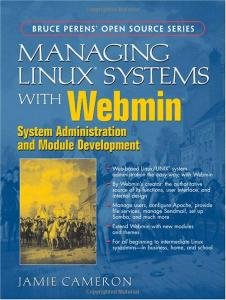
Written by the creator of Webmin, this book explains how to use the most popular Webmin modules to perform common administration tasks on a Linux system such as adding users, configuring Apache, setting up NFS file sharing and managing the Sendmail mail server.Each chapter covers a single server or service, and is broken down into sections that list the steps required to carry out certain tasks using Webmin. The chapters also provide some background on the service being configured and the basic concepts behind it.Cameron also explains how to develop your own Webmin modules and themes, and includes a complete reference for the API that is available to module writers. He dissects each of the standard modules and themes so that programmers thinking of writing their own can see how they work, and what kind of coding style is used.Webmin is a browser-based user interface for performing system administration tasks on Linux and Unix servers.
-
With User Mode Linux you can create virtual Linux machines within a Linux computer and use them to safely test and debug applications, network services, and even kernels. You can try out new distributions, experiment with buggy software, and even test security. Now, for the first time, the creator and maintainer of User Mode Linux shows how to put it to work hands-on. It covers everything from getting started through running enterprise-class User Mode Linux servers. You'll find authoritative advice on bootup, compilation, administration, specialized configurations, and much more.
-
Written by a leading developer and maintainer of the Linux kernel, Linux Kernel in a Nutshell is a comprehensive overview of kernel configuration and building, a critical task for Linux users and administrators.
-
This ebook describes the system administration aspects of using Linux and is intended for people who know nothing about system administration. This Linux ebook doesn't tell you how to install Linux since it is very straight forward but it gives you real world mail, DNS, proxy, web, messaging etc server installations and configurations.