Operating Systems Design and Construction
Reference documents in Operating Systems Design and Construction.
Documents in Operating Systems Design and Construction
Page 1 of 1-
The widely anticipated revision of this worldwide best-seller incorporates the latest developments in operating systems technologies. It includes up-to-date materials on relevant operating systems such as Linux, Windows, and embedded real-time and multimedia systems. Includes new and updated coverage of multimedia operating systems, multiprocessors, virtual machines, and antivirus software. Covers internal workings of Windows Vista (Ch. 11); unique even for current publications.
-
This book is an authoritative, cross-platform guide to CIFS capabilities and behavior. Implementing CIFS not only delivers the priceless knowledge of a Samba Team member dedicated to investigating the inner workings of CIFS, it also identifies and describes crucial specifications and supporting documents.
-
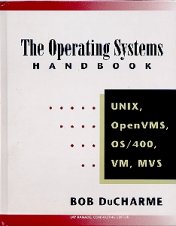
An introduction to the five most popular mini and mainframe operating systems, defining and explaining only the most important concepts and commands necessary to log on and use each system, and also providing a realistic look at the strengths and weaknesses of each system. Included are "sidebars" throughout that highlight current buzzwords, as well as step-by-step examples, historical background, and some 150 screen images.
-
The Be operating system is a great platform just waiting for applications. Elegant, object-oriented to the core, and primed for great graphical interfaces, Be meets the needs of computer users at the turn of the century - but they call for equally elegant applications for displaying and manipulating content. This book gives C++ programmers their start to developing those applications.
-
This book is a practical guide to writing your own x86 operating system. It is designed to give enough help with the technical details while at the same time not reveal too much with samples and code excerpts. We’ve tried to collect parts of the vast (and often excellent) expanse of material and tutorials available, on the web and otherwise, and add our own insights into the problems we encountered and struggled with.
-
Think OS is an introduction to Operating Systems for programmers.
-
This book combines instruction on concepts with real-world applications so that students can understand the practical usage of the content, keeps it fresh and up-to-date with contemporary examples of how operating systems function.
-
Intended for juniors, seniors, and first-year graduate students, this book takes a modern approach to the traditional Operating Systems course. By using this innovative text, students will obtain an understanding of how contemporary operating systems and middleware work, and why they work that way.
-
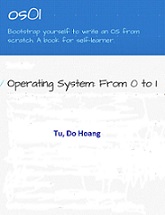
Bootstrap yourself to write an OS from scratch. A book for self-learner.
-
A book covering the fundamentals of operating systems, including virtualization of the CPU and memory, threads and concurrency, and file and storage systems. Written by professors active in the field for 20 years, this text has been developed in the classrooms of the University of Wisconsin-Madison, and has been used in the instruction of thousands of students.
-
Subject of this work is to give an introduction to the TinyOS Embedded Operating System. It explains the internal structure of the OS and points out its characteristics by comparing it to another embedded Operating System called MicroC/OS-II.
-
This is the guide to the design and implementation of file systems in general, and the Be File System (BFS) in particular. This book covers all topics related to file systems, going into considerable depth where traditional operating systems books often stop. Advanced topics are covered in detail such as journaling, attributes, indexing and query processing. Built from scratch as a modern 64 bit, journaled file system, BFS is the primary file system for the Be Operating System (BeOS), which was designed for high performance multimedia applications.
-
Project Oberon contains a definition of the Oberon Programming Language and describes its relation to Modula-2 and the software tools developed with the system. This definitive, first-hand account of the design, development, and implementation of Oberon completes the Oberon trilogy.
-
This book is intended as a comprehensive guide for programmers who wish to develop applications for the Inferno operating system, with an emphasis on taking advantage of its unique capabilities. The text provides a brief introduction to the installation and use of Inferno, and an in-depth exposition and solid reference for developing Inferno applications in Limbo programming language.